


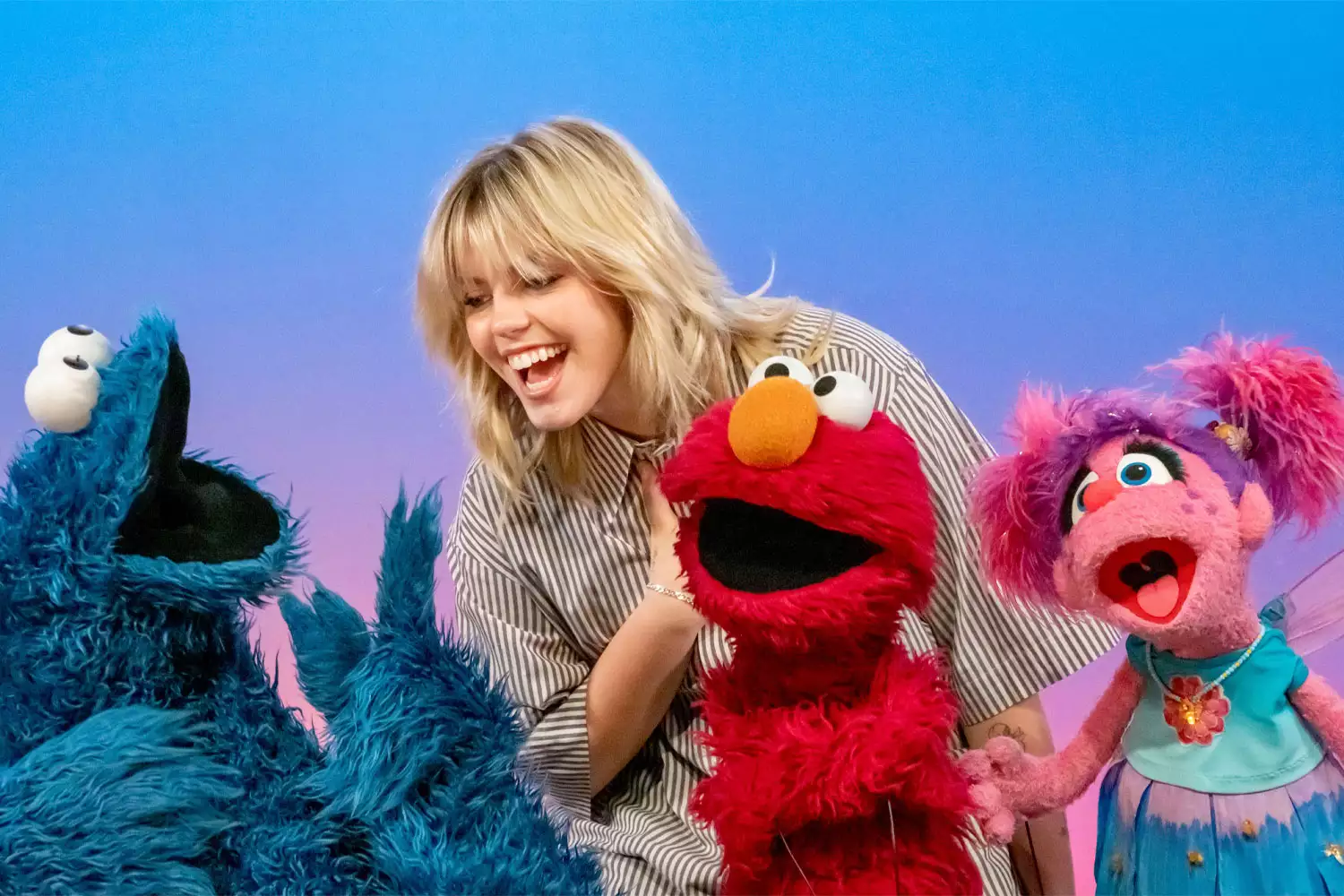
Everybody Has Feelings Sesame Street: Teaching Kids Emotional Intelligence
Sesame Street has been teaching children essential life skills for decades, and one standout segment is “Everybody Has Feelings.” This song and its associated lessons help children:
- Recognize emotions in themselves and others
- Cultivate empathy and communication skills
- Navigate social interactions effectively
In this article, we explore the song’s origins, performers, educational impact, and ways parents can use it to foster emotional intelligence in preschoolers.
What is “Everybody Has Feelings”?

“Everybody Has Feelings” is a musical segment from Sesame Street aimed at teaching children that all emotions are valid.
Key points:
- Focuses on happy, sad, angry, and scared emotions
- Uses puppets and live actors to model real-life scenarios
- Combines music, repetition, and humor for effective learning
It is part of Sesame Street’s broader mission to teach social-emotional learning (SEL) through entertaining content.
Who Sings “Everybody Has Feelings”?
The song has been performed by multiple Sesame Street cast members and puppets, depending on the version:
- Original segment features Elmo, Grover, and other Muppets
- Singing voices were contributed by veteran Sesame Street performers, including Kevin Clash and other musical cast members
- Modern online clips may feature updated performers in newer recordings
This collaborative approach ensures children relate to familiar characters while learning.
Emotional Education Through Music
Music is a powerful tool for teaching emotions:
- Rhythm and melody help children memorize emotional vocabulary
- Singing along encourages self-expression
- Character interactions demonstrate healthy emotional responses
Studies show that songs about feelings enhance emotional recognition and empathy in preschoolers.
Key Characters in “Everybody Has Feelings”

Main characters featured in this segment include:
- Elmo: Often leads the song with expressive gestures
- Grover: Demonstrates emotions through exaggerated reactions
- Other Muppets: Model different social interactions and reactions
These characters make abstract emotional concepts concrete and relatable for young viewers.
Examples of Lessons from the Song
The song conveys several important lessons:
- All emotions are normal: Children learn that it’s okay to feel sad, angry, or scared.
- Express feelings safely: Characters show ways to communicate emotions without hurting others.
- Empathy matters: Watching characters respond kindly teaches compassion.
- Problem-solving through feelings: Characters often resolve conflicts constructively.
Versions of “Everybody Has Feelings”
The segment exists in multiple formats:
- TV episodes: Original airings on Sesame Street
- YouTube videos: Short clips designed for digital platforms
- DVD collections: Include sing-alongs and bonus educational content
The Educational Philosophy Behind the Segment

Sesame Street integrates “Everybody Has Feelings” into its social-emotional curriculum:
- Aligns with CASEL (Collaborative for Academic, Social, and Emotional Learning) standards
- Uses puppetry and storytelling for immersive learning
- Encourages parent-child engagement through discussion prompts and activities
Using “Everybody Has Feelings” in Everyday Learning
Parents and educators can leverage the song to teach emotional literacy:
- Pause the video and ask children to identify emotions
- Encourage children to act out the feelings
- Discuss scenarios from school or home that relate to the song
This active engagement helps reinforce emotional vocabulary and social skills.
Online Resources and Videos
Sesame Street provides official clips for “Everybody Has Feelings”:
- YouTube channel: Features the full song and sing-alongs
- Sesame Street app: Interactive activities for emotional learning
- Streaming platforms: Episodes that include the segment in context
Merchandise and Learning Materials
Sesame Street also offers toys and books to complement the segment:
- Plush toys: Characters like Elmo and Grover reinforce the lessons
- Activity books: Include worksheets for identifying and expressing feelings
- Educational kits: Engage children in role-play and creative activities
Impact on Children’s Emotional Intelligence

Research and anecdotal evidence suggest that watching Sesame Street segments like “Everybody Has Feelings”:
- Improves emotional recognition
- Increases empathy and pro-social behavior
- Supports language development through vocabulary acquisition
These benefits show how entertainment can be educational when designed thoughtfully.
Fun Activities Inspired by “Everybody Has Feelings”

Extend learning beyond the screen with hands-on activities:
- Emotion Charades: Children act out feelings from the song while others guess.
- Feelings Art: Draw or color pictures representing happy, sad, or angry emotions.
-
Storytime Reflection: Read Sesame Street books and discuss characters’ emotions.
These activities reinforce emotional vocabulary and empathy in an interactive way.
Integrating the Song into Classroom Lessons
Teachers can use the segment for structured learning:
- Morning Circle: Play the song and discuss emotions for the day.
- Social Skills Practice: Role-play scenarios based on the lyrics.
-
Emotion Journals: Children record how they feel and relate to the song.
Incorporating music makes SEL lessons memorable and engaging.
How Parents Can Talk About Feelings
Parents can reinforce lessons at home by:
- Asking children to identify their own feelings throughout the day.
- Validating emotions and modeling healthy expression.
- Using Sesame Street toys to act out scenarios and problem-solve together.
This strengthens the connection between entertainment and real-life emotional learning.
The Legacy of Emotional Learning on Sesame Street

“Everybody Has Feelings” is part of a broader tradition:
- Sesame Street has introduced multiple segments over decades focused on empathy, inclusion, and self-awareness.
- Characters like Elmo, Grover, Abby Cadabby, and Julia reinforce emotional intelligence consistently.
- These efforts contribute to long-term social-emotional development for children worldwide.
Frequently Asked Questions
Who sings “Everybody Has Feelings”?
Elmo, Grover, and other Muppets perform it, with voices by Sesame Street performers like Kevin Clash.
What emotions are covered in the song?
Happy, sad, angry, scared, and other common preschool emotions.
Where can I watch it today?
Official YouTube clips, Sesame Street app, DVDs, and streaming platforms.
How can parents use it for teaching?
Pause for discussion, role-play emotions, and use toys to model social interactions.
Does it improve emotional skills in children?
Yes, research shows it enhances empathy, emotional recognition, and social problem-solving.
Conclusion
“Everybody Has Feelings” is more than a catchy song—it is a tool for cultivating emotional literacy in preschoolers:
- Teaches children to understand, express, and manage emotions
- Engages kids through music, humor, and beloved characters
- Available across TV, online, and DVD formats for continuous learning
By using this segment, parents and educators can help children navigate feelings constructively while enjoying quality entertainment.


Looking for something else?

Which Marvel Rivals Blokees Kit Should You Assemble First?
LEARN MORE
Best X-Men Model Kits: Wolverine, Magneto, and More
LEARN MORE
How to Assemble Blokees Marvel Rivals Spider-Man
LEARN MORE
Unboxing the Blokees Marvel Rivals Champion Class Series
LEARN MORELooking for something else?

Dynamic Posing Guide: How to Make Spider-Man Swing
LEARN MORE
Secret Rares Revealed: Blokees Marvel Rivals Hidden
LEARN MORE
How to Create a DIY Marvel Rivals Battle Diorama Display
LEARN MOREYou may also like


Further reading

Blokees EVANGELION Gift Guide: Choose by Character, Unit, and Display Format

EVANGELION 30th Anniversary: How the Series Continues to Reach Audiences