

 Blokees® Community


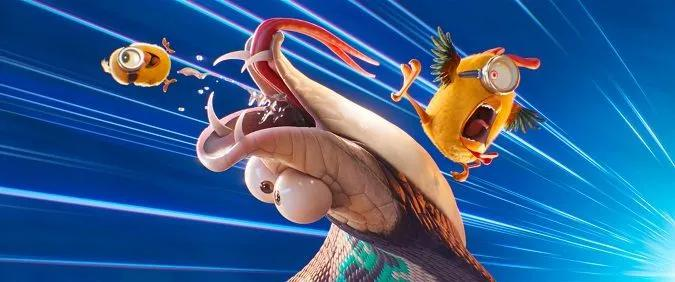
How Are Minions Born? Origins & Creation Explained
One of the most intriguing mysteries surrounding Despicable Me's beloved yellow characters is their origin. Fans constantly wonder: how are minions born and where do they actually come from?
The franchise reveals that Minions weren't born in traditional sense but rather evolved from single-celled yellow organisms at the dawn of time. They've existed for millions of years without visible reproduction, childhood phases, or aging, making their creation one of the most mysterious aspects of their biology and a source of ongoing fascination.
The Evolution Origin Story

How are minions born according to the Minions (2015) prequel film? The movie reveals these creatures evolved from primordial single-celled organisms in Earth's prehistoric oceans, gradually developing into the yellow, pill-shaped beings we recognize today.
The opening sequence shows their evolutionary journey from microscopic yellow cells to simple multicellular organisms, eventually emerging from water as land-dwelling creatures. This evolution occurred over millions of years, suggesting Minions represent a separate species that developed alongside but independently from other Earth life.
Evolutionary timeline revealed:
- Prehistoric era - Single-celled yellow organisms in primordial oceans
- Early evolution - Development of multicellular structure
- Emergence - Transition from water to land
- Dinosaur age - Fully formed Minions serving T-Rex
- Human history - Continued existence serving various masters
- Modern era - Present-day Minions serving Gru
No Traditional Birth or Reproduction
How minions are born differs fundamentally from mammalian, reptilian, or avian reproduction. The franchise never shows Minion reproduction, pregnancy, eggs, or offspring, suggesting they don't reproduce in conventional biological ways.
No baby Minions appear in any canonical material despite the population numbering approximately 10,400 individuals. All Minions appear as adults of varying heights without childhood, adolescent, or elderly stages visible throughout their million-year existence.
Observations about Minion lifecycle:
- No babies, children, or visible young
- No pregnancy or reproductive behavior shown
- No elderly or aging Minions despite millions of years
- All appear simultaneously as adults
- Population remains stable without births or deaths
- Apparently immortal barring violent death
The minions toys collection features adult Minions exclusively, reflecting the franchise's consistent presentation of these characters as ageless beings without developmental stages.
Theories About Minion Creation

How are the minions born remains deliberately mysterious, prompting fan theories attempting to explain their existence. While the franchise provides the evolution backstory, specific creation mechanisms remain unexplained.
Popular fan theories include:
- Asexual reproduction - Minions split or bud like single-celled organisms
- Spontaneous generation - New Minions form from environmental conditions
- Fixed population - All 10,400 emerged simultaneously and persist indefinitely
- Cloning mechanism - Minions replicate themselves through unknown process
- Magical creation - Supernatural rather than biological origins
- Hive organism - All Minions represent parts of single larger entity
Lack of Biological Diversity
How are minions born relates to an interesting observation: Minions display limited genetic diversity despite supposedly evolving naturally. All are yellow, speak the same language, share basic body plans, and exhibit similar behaviors.
Natural evolution typically produces significant diversity within species—variations in size, color, ability, and behavior driven by environmental pressures and genetic drift. Minions show systematic variations (height, eye count, hair) but remain remarkably uniform overall.
|
Biological Feature |
Variation Level |
Observations |
|
Body color |
None - all yellow |
100% uniformity |
|
Basic anatomy |
Minimal |
Three height categories only |
|
Eye count |
Binary (one or two) |
Two options total |
|
Language |
None - all speak Minionese |
Universal communication |
|
Behavior patterns |
Minimal |
Similar personalities |
|
Abilities |
None |
Equal capabilities |
This uniformity suggests either:
- Very recent common ancestry with insufficient time for diversity
- Artificial selection or design rather than natural evolution
- Cloning or asexual reproduction maintaining genetic uniformity
- Hive species with genetic homogeneity as survival feature
Do Minions Age or Die?
Understanding how minions are born connects to questions about whether they age or die. The franchise shows Minions existing across millions of years without apparent aging, suggesting extreme longevity or actual immortality.
Individual Minions like Kevin, Stuart, and Bob appear in the 1960s (Minions), 1970s (Rise of Gru), and modern era (Despicable Me trilogy) without visible aging. Their appearance, behavior, and capabilities remain identical across decades.
Evidence for Minion immortality:
- Same individuals appear across different time periods
- No elderly or aged Minions despite millions of years existing
- Survive extreme trauma without permanent damage
- No natural death shown in any franchise material
- Population remains stable without births replacing deaths
The minions precool features these ageless characters in collectible form, capturing their timeless appearance that spans eras without change.
The Purpose-Driven Existence

How are minions born matters less than why they exist according to franchise lore. The Minions film reveals these creatures possess biological imperative: serving the most despicable master they can find.
This purpose-driven existence raises philosophical questions about whether Minions represent naturally evolved species or created beings designed for servitude. Their single-minded dedication to finding villainous masters seems unusual for naturally occurring organisms.
Unique biological imperatives:
- Instinctual need to serve villains
- Severe depression without master to serve
- Drawn to most despicable available leaders
- Willing to serve despite danger to themselves
- Purpose appears biological rather than cultural
Cultural Impact of the Mystery
The deliberate ambiguity about how are minions born actually enhances their appeal. Leaving their origins mysterious rather than over-explaining creates ongoing fan engagement, discussion, and theorizing.
Benefits of maintaining mystery:
- Encourages fan theories and engagement
- Avoids potentially inappropriate reproduction content
- Preserves whimsical, magical quality
- Prevents over-explanation reducing charm
- Allows multiple valid interpretations
- Focuses attention on character rather than biology
Comparison to Other Fictional Species
How minions are born places them among fictional species with unusual or unexplained reproduction. Science fiction and fantasy frequently feature beings whose creation differs from real-world biology.
Star Wars droids are manufactured. Gremlins reproduce through specific environmental triggers. Pokemon emerge from eggs but with mysterious breeding mechanics. Minions join this tradition of fictional beings whose origins serve storytelling rather than biological plausibility.
Similar mysterious origins:
- Tribbles (Star Trek) - extremely rapid asexual reproduction
- Mogwai/Gremlins - reproduction through specific rules
- Smurfs - rare mushroom-based reproduction
- Pokemon - egg-based but mysterious breeding
- Groot (Guardians of the Galaxy) - regrowth from fragments
Behind-the-Scenes Creation Decisions
From production perspective, how are minions born never required answering. The creators designed Minions as comedy relief and visual gags rather than fully realized biological entities.
Director Pierre Coffin focused on making Minions funny, expressive, and memorable rather than biologically consistent. Questions about reproduction, lifecycle, and origin weren't priorities during character development focused on maximizing entertainment value.
Frequently Asked Questions
How are Minions born?
Minions aren't born through traditional reproduction. According to the Minions (2015) prequel film, they evolved from single-celled yellow organisms in prehistoric oceans, gradually developing into their current form over millions of years.
Do Minions reproduce or have babies?
No evidence exists in any Despicable Me content showing Minion reproduction or babies. The franchise never depicts pregnancy, eggs, offspring, or childhood stages despite spanning millions of years of Minion history.
Are all Minions the same age?
Yes, effectively all Minions appear the same age—ageless adults without visible aging across millions of years. Individual Minions like Kevin, Stuart, and Bob appear in the 1960s, 1970s, and modern era without physical changes suggesting aging.
Why don't we see baby Minions?
Baby Minions never appear because the franchise depicts them as ageless beings who either don't reproduce or reproduce so rarely it's never shown. Several theories explain this absence: they reproduce asexually at extremely slow rates.
Are Minions immortal?
Minions appear effectively immortal based on franchise evidence. They've existed for millions of years without visible aging, with same individuals appearing across different time periods unchanged. No natural death or elderly Minions appear in any content despite vast time spans.

Looking for something else?
Which Marvel Rivals Blokees Kit Should You Assemble First?
LEARN MORE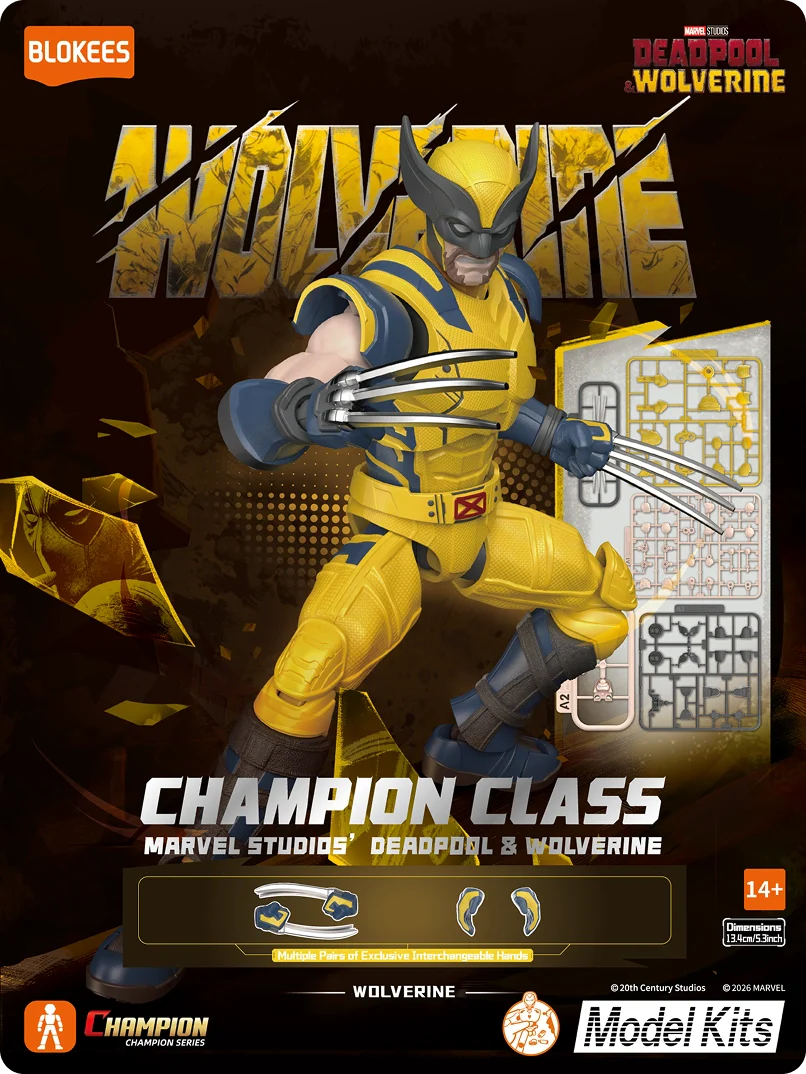
Best X-Men Model Kits: Wolverine, Magneto, and More
LEARN MORE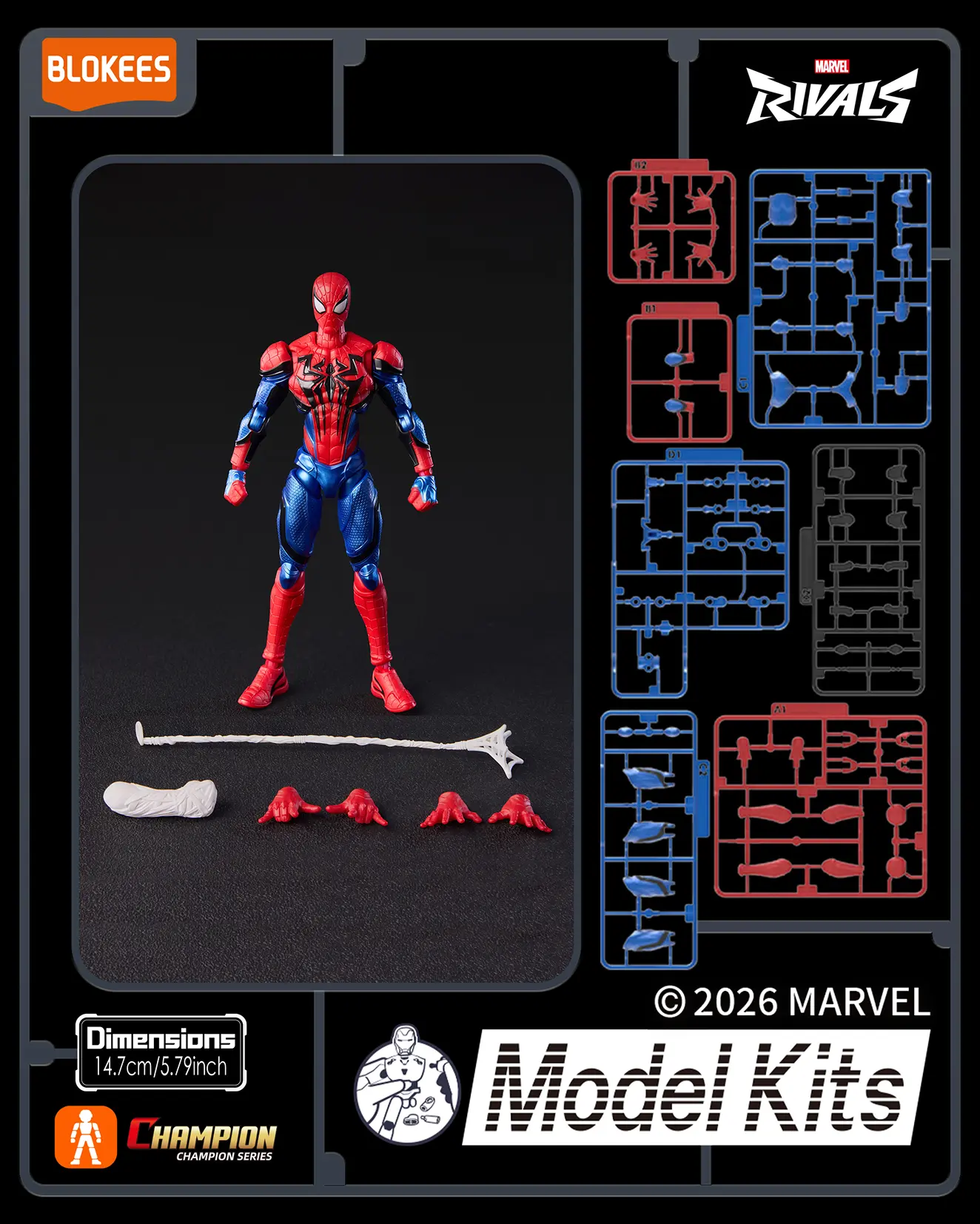
How to Assemble Blokees Marvel Rivals Spider-Man
LEARN MORE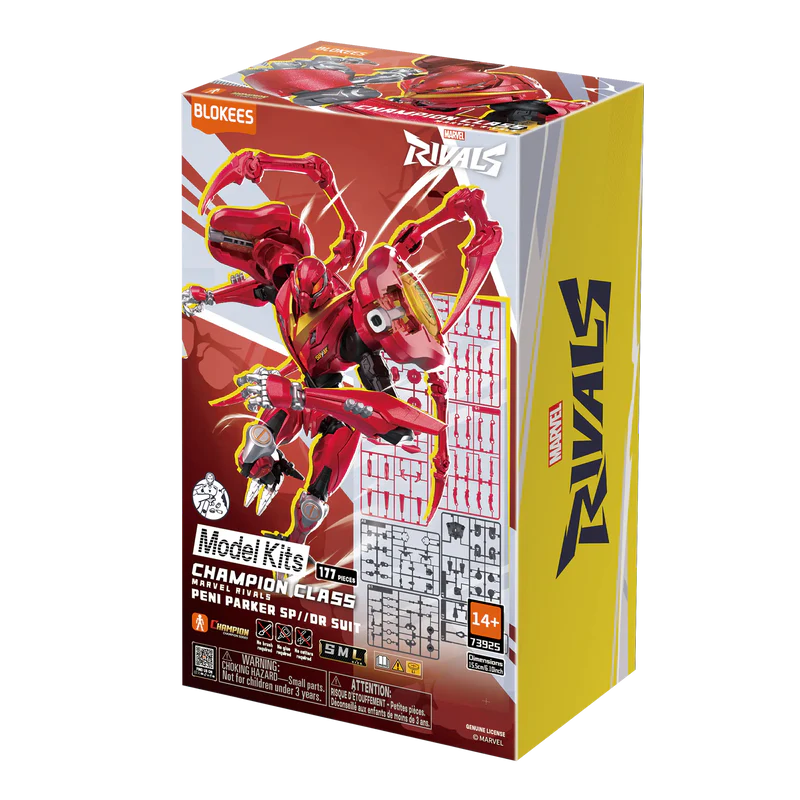
Unboxing the Blokees Marvel Rivals Champion Class Series
LEARN MORELooking for something else?
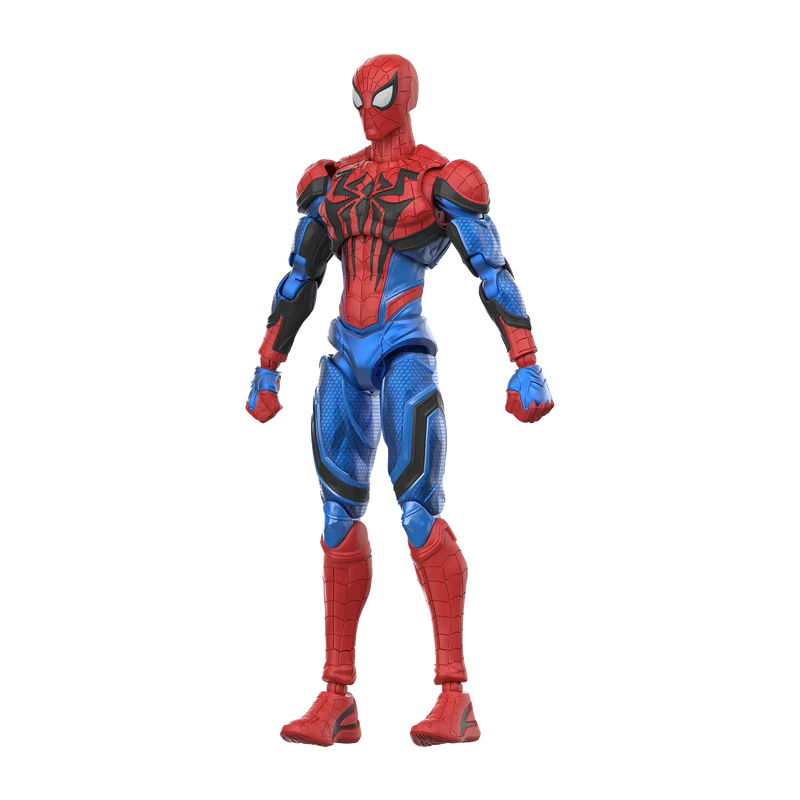
Dynamic Posing Guide: How to Make Spider-Man Swing
LEARN MORE
Secret Rares Revealed: Blokees Marvel Rivals Hidden
LEARN MORE
How to Create a DIY Marvel Rivals Battle Diorama Display
LEARN MOREYou may also like


Further reading

Blokees EVANGELION Gift Guide: Choose by Character, Unit, and Display Format

EVANGELION 30th Anniversary: How the Series Continues to Reach Audiences

EVANGELION Unit-08 Explained: Mari’s EVA-08α and the Blokees Release