

 Blokees® Community











































Cybertron Explained: The Home Planet of Transformers
Cybertron is a machine planet. That sounds simple. It isn’t. Most Transformers toys have “Cybertron” somewhere in the packaging, the lore, or the character bio—but the planet itself gets weirdly underexplained for something so central to the whole franchise.
Here’s what I mean: if you ask ten Transformers fans what Cybertron actually is, you’ll get ten different answers, and most of them will be slightly wrong. Not wrong about the facts—wrong about which version they’re describing, because the franchise has reinvented the planet about eight times. This article is an attempt to sort that out.
|
Type Machine planet |
Status (most stories) War-damaged, depleted |
Factions born here Autobots — Decepticons |
Franchise debut 1984 |
What Is Cybertron, Exactly?

A planet. A fully mechanical one, with no organic life, no soil, no weather. Every surface is engineered, every city is built from materials that the planet produces, and the beings who live there are also mechanical. They were born there, they’re powered by the planet’s energy, and in some continuities their life force literally returns to the planet’s core when they die.
The deeper lore—and this is the version that most modern stories use—is that Cybertron isn’t just a planet. It’s the sleeping body of Primus, the creator god of the Transformers. Which means the planet itself is alive, technically. Or was. Most of the time when we see it, it’s not doing great.
Why it matters even when the story is set on Earth
Almost every Transformers story eventually leaves Cybertron. The characters end up on Earth, or in space, or in some other dimension. But Cybertron stays in the background of everything because it’s the reason the war started and the reason it hasn’t ended. The Autobots aren’t just trying to protect Earth—they’re trying to earn the right to go home. The Decepticons aren’t just trying to conquer things—they’re trying to rule a planet they feel was taken from them.
Take Cybertron out of the equation and the whole franchise collapses into ‘robots punch each other for no reason.’ The planet is the reason any of it matters.
Why Cybertron Matters So Much in Transformers Lore

The war didn’t start because two groups of robots met and didn’t like each other. It started because Cybertron had a class system, and that class system broke.
In most versions of the lore, the planet was organized around what form you took—your physical design determined your role in society. A bot who turned into a truck did labor. A bot who turned into a jet was elite. The social hierarchy was literally baked into your body. That’s a system that’s going to produce a Megatron eventually.
The fall of Cybertron shapes everything downstream
The fall—and most continuities have some version of it, including the War for Cybertron Trilogy: Siege on Netflix—is the moment the war becomes total. Energon reserves depleted to almost nothing. Cities hollowed out. The planet that was once a thriving civilization reduced to a contested, dying husk. The Autobots who leave are refugees. Not heroes on a mission—refugees who lost their home and are trying to figure out what to do next.
That emotional reality sits underneath every Transformers story even when it’s not explicitly stated. Optimus Prime isn’t just the leader of a military faction. He’s someone carrying the memory of a world that doesn’t exist anymore. That’s a very different weight.
What it does to Optimus and Megatron specifically
Their rivalry is a Cybertron story. It starts on the planet, it’s about the planet, and it only ends (when it ends) in the context of the planet. Optimus was Orion Pax—a data clerk, not a warrior—who believed the system could be fixed through law and justice. Megatron came up through the mines and gladiatorial pits of the lower cities and decided the system couldn’t be fixed at all, only replaced by force.
They’re not wrong about the same things. Optimus is right that Megatron’s methods destroy what they’re supposed to save. Megatron is right that the old system was corrupt enough to deserve destruction. The tragedy is that they’re both partially correct and neither can accept the other’s half of the truth.
The Most Important Ideas and Symbols Tied to Cybertron

Autobots, Decepticons, and what the split actually means
The Autobots broadly represent the existing civic order—government, science, infrastructure. The Decepticons emerged from the labor sector and the disenfranchised parts of Cybertronian society. Neither of those is inherently heroic or villainous. The war turned them that way. By the time most stories begin, both sides have done things they shouldn’t have.
The most interesting Transformers stories are the ones that remember this. The ones where the Autobots aren’t paragons, just the better option. The ones where Decepticons have legitimate grievances they’ve buried under centuries of brutality.
Sparks
A Spark is a Cybertronian’s life force. Their soul, basically. It comes from Cybertron and it returns to Cybertron when they die—or at least that’s the case in versions of the lore where the planet is still alive enough to accept it. The concept is important because it means every Transformer is fundamentally tied to the planet at a deeper level than just ‘that’s where I was born.’ They are Cybertron, in a meaningful physical sense.
The AllSpark
Not always a cube. That’s a movie thing. In the broader franchise, the AllSpark (or Vector Sigma in some versions) is the source of Cybertronian life—the mechanism that turns raw Energon and materials into living beings. Controlling it means controlling who gets to exist. That’s why it’s almost always at the center of the war’s most extreme moments.
Cybertron as home and as grief
Both factions grieve Cybertron, in their own way. The Autobots grieve what it was. The Decepticons grieve what it should have been. Neither is mourning the same planet. Both are telling the truth.
Key Places on Cybertron Fans Should Know

Cybertron isn’t just one uniform metal planet. It has regions, and those regions have meaning.
|
Iacon — Autobot stronghold The political and scientific capital of Cybertron in most stories. High Council buildings, archives, command centers. It represents the official order—which is why it’s always one of the first things the Decepticons attack. Narratively, the fall of Iacon is a shorthand for the fall of Cybertron itself. When Iacon goes, the legitimate order goes with it. |
|
Kaon — Decepticon power center Industrial, harsh, and lower-class by Cybertronian standards. Megatron came out of Kaon’s gladiatorial arenas—which tells you a lot about what the place was like and what it produced. The Decepticons didn’t choose Kaon because it was convenient. They chose it because it was theirs: a part of Cybertron the official order had already written off. |
|
The Sea of Rust — Dead zone A vast region of the planet that’s been dead long enough to oxidize. Old structures, collapsed infrastructure, no Energon. It shows up in stories whenever the narrative needs to show the scale of what the war has already consumed. The planet isn’t just damaged. Parts of it are simply gone. |
How Cybertron Changes Across Transformers Versions

This is the part that confuses people most. Cybertron looks and feels genuinely different across different series, and that’s intentional—each version rebuilds the planet to fit its own tone.
|
Version |
Period |
What kind of planet this version gives you |
|
G1 |
1984–1987 |
Foundational myth version. Blocky, geometric, not particularly detailed—but it doesn’t need to be. G1 Cybertron matters because of what happens there, not what it looks like. The aesthetic is simple enough that it leaves room for the imagination. That’s probably why fans carry it as the mental baseline even forty years later. |
|
TransformersPrime |
2010–2013 |
Dead world version. By the time the series begins, Cybertron is effectively uninhabitable—drained of Energon, emptied of life, still being fought over by the last remnants of both armies. The tragedy here is that the planet is already lost. The characters are fighting over a grave. |
|
TransformersAnimated |
2007–2009 |
Functioning society version. Cybertron in Animated is under Autobot authority and mostly stable—but politically tense and socially rigid. The conflict here is about where the main cast fits in a system that doesn’t value them. Less war epic, more institutional critique. |
|
Transformers One |
2024 |
Pre-war Golden Age version. This is the most optimistic take on Cybertron in the franchise’s history—a working civilization, layered and full of life, before any of the destruction begins. It’s also the version that makes the fall hit hardest, because you can see exactly what was there before it was gone. |
Transformers One is worth singling out here. The official Transformers One synopsis frames the film specifically as an origin story for Optimus Prime and Megatron—which means the version of Cybertron in that film is doing a specific job: showing you the world these characters are about to destroy. That’s a different storytelling choice than any previous version of the planet, and it pays off.
No single version tells the whole story. The mistake is expecting them to. G1 gives you the myth. Prime gives you the tragedy. Animated gives you the society. Transformers One gives you the loss in advance. They’re all Cybertron. They’re all right.
Cybertron and the Origin of Optimus Prime, Megatron, and the War

Before the first shot
Cybertron had a civilization before it had a war. That’s easy to forget because most stories either start mid-war or in the aftermath of one. But the social structure that existed before the fighting is exactly what caused the fighting. The caste system. The bodies that determined your role. The parts of society that were thriving while other parts were being ground down. Megatron didn’t emerge from nowhere. The conditions that produced him were already there.
Orion Pax and D-16
Before Optimus Prime and Megatron were those things, they were Orion Pax and D-16. A data clerk and a miner. Neither of them were designed to lead anything. Orion Pax ended up with the Matrix partly by circumstance—he was chosen, not inevitable. D-16 became what he became through choice, which is a much heavier thing to carry.
Transformers One does the best job the franchise has ever done of showing the friendship before the fracture. Watching them in Kaon’s lower levels before either of them has a destiny makes the eventual war feel like an actual tragedy rather than just a plot setup.
Why the war is really about Cybertron, not Earth
The Transformers fight on Earth because they followed each other there. But the war is about Cybertron—what it was, what it became, what both sides think it should be when it’s over. Earth is a theater. Cybertron is the reason.
How Cybertron Connects to Transformers Toys

Cybertron shapes toy lines in ways that aren’t always obvious. The most direct is the Cybertronian alt-mode concept: before the Transformers landed on Earth and scanned vehicles, their forms were alien. Not trucks and jets—something more mechanical and less Earth-derived. Lines that feature Cybertronian modes are making a specific lore statement: this is who these characters were before Earth changed them.
The War for Cybertron era kits—the Siege series especially—built an entire visual language around a planet at war. Battle damage integrated into the design. Armor plating over original surfaces. Weapons built into the body rather than held. Those aren’t just aesthetic choices. They’re story choices that tell you exactly where in Cybertron’s timeline these characters exist.
For kids: Cybertron matters because it gives the toys a home. Knowing that Optimus Prime was once a data clerk on a dying planet who got handed responsibility he didn’t ask for makes him more interesting than ‘good robot leader.’ That depth is why kids stay with Transformers longer than they stay with most other toy lines—the story keeps rewarding attention.
The Best Transformers Toys for Fans Who Love Cybertron

Different versions of Cybertron attract different kinds of collectors. Here’s a rough map.
Kids / first-time fans
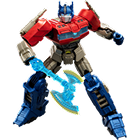
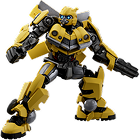
Transformers One is the current best entry point for anyone starting with Cybertron. It shows the planet before the war, which makes the characters more understandable and the eventual conflict more meaningful. The kits from this wave cover the pre-Prime and pre-Megatron versions — characters with different names and different futures ahead of them. Start with the Transformers One movie inspired model kits to follow the story from its origin.
G1 fans and longtime collectors
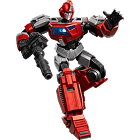
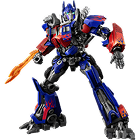
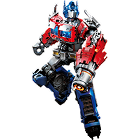
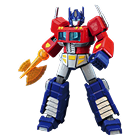
For collectors who carry G1 as their mental baseline for Cybertron, Action Edition is the right home. This is the only Blokees Transformers lineup specifically built around G1 character designs, and the articulation range goes further than anywhere else in the catalog. The Transformers Action Edition G1 Optimus Prime is the version most G1 fans recognize as the definitive one — which makes it both the best starting point and the hardest to stop at just one.
Action Edition collectors beyond G1
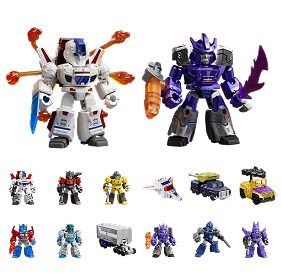
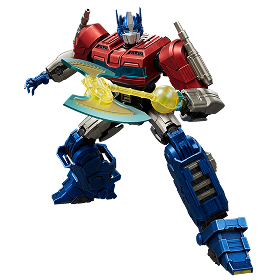
The Transformers Action Edition lineup also covers the Orion Pax origin version of Optimus Prime from Transformers One, giving the series a second design era alongside its G1 roster. Good for collectors who want poseable, shelf-ready kits that represent different chapters of the same character's history without mixing scale or aesthetic.
War-era and Decepticon-side fans
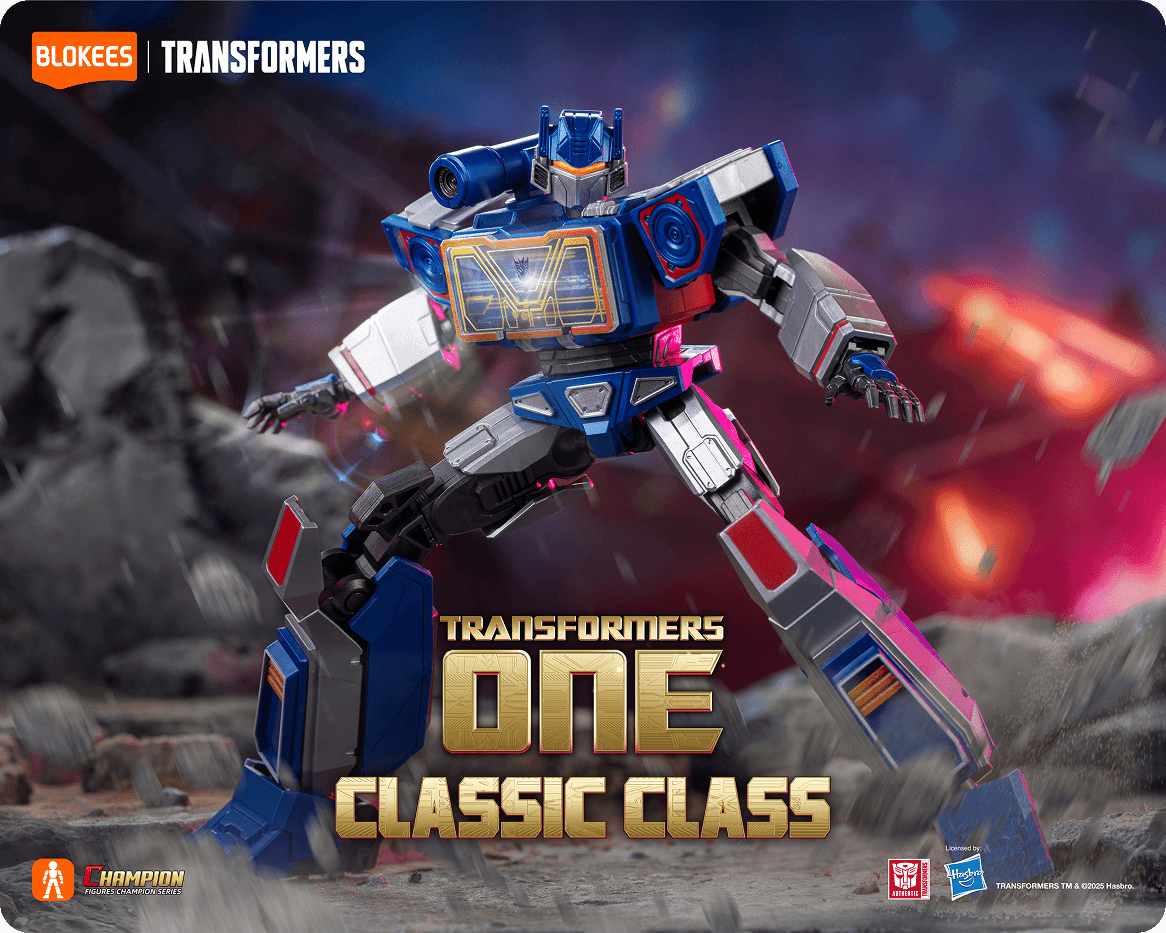
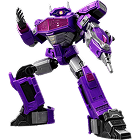
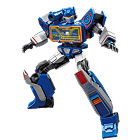
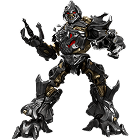
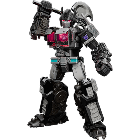
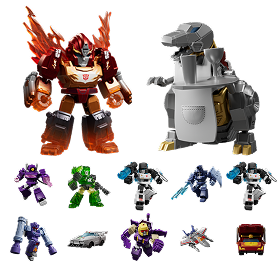
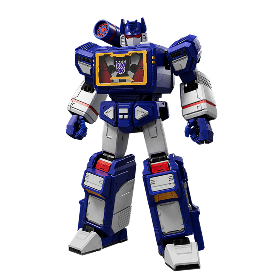
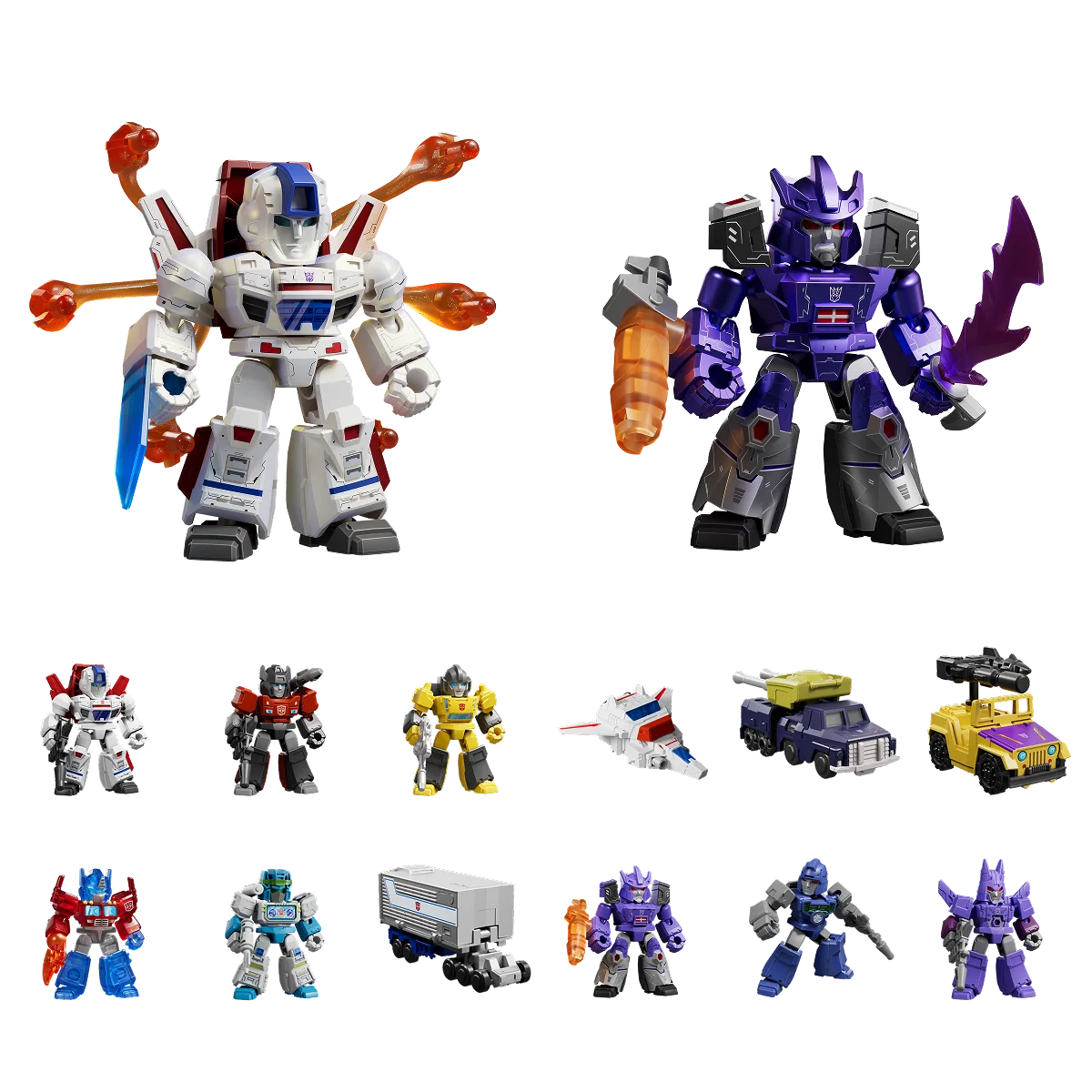
Classic Class covers both sides of the Cybertronian war across multiple continuities. Megatron, Megatronus, Shockwave, Soundwave — the Decepticon roster across the Transformers Classic Class series represents the breadth of what the war-era storytelling produced. Worth exploring if the darker side of Cybertron's history is the draw.
Why Cybertron Still Matters After 40 Years
In 2024, Transformers entered the National Toy Hall of Fame. A toy line that’s lasted forty years and earned that kind of institutional recognition isn’t doing it on clever gimmicks alone. It’s doing it because the world behind the toys has enough depth to keep rewarding new generations of attention.
Cybertron is a large part of that depth. It’s a setting that can be G1-mythic or Animated-political or Prime-tragic or Transformers One-hopeful, and each version is telling a different true story about the same planet. That flexibility is rare. Most long-running franchises eventually abandon or exhaust their central setting. Transformers keeps rebuilding Cybertron because they’ve never run out of things to say about it.
For new fans: Cybertron is the entry point that makes everything else click. Once you understand that the Autobots and Decepticons are fighting over the memory of a home, the rest of the franchise makes a different kind of sense. For longtime fans: it’s already obvious. Cybertron is the reason you’re still here.
Conclusion
Cybertron is a machine planet that was once a civilization, got broken by a civil war neither side could stop, and has been worth fighting over ever since. That’s the short version.
The longer version is that Cybertron is the emotional engine of the entire franchise. The war is about it. The characters are shaped by it. The toy lines are organized around its different eras. And every new version—every new show, movie, or line of kits—uses Cybertron to answer a specific question: what do you lose when a world tears itself apart, and is it possible to get any of it back?
The best Transformers kits carry that question with them. Transformers Classic Class covers the widest range of characters across the franchise’s Cybertron history. Start there if you want a collection that actually reflects what the planet means.
FAQs
What is Cybertron in Transformers?
Cybertron is the mechanical home planet of the Transformers. It’s a fully machine-built world where the Autobots and Decepticons were born, where the war started, and where the franchise’s biggest origin stories are set.
Is Cybertron the home planet of all Transformers?
In most continuities, yes. It’s the origin point of the Cybertronian race and the planet most of the franchise’s characters trace their existence back to.
Why did the Transformers leave Cybertron?
The civil war depleted the planet’s Energon reserves to the point where it could no longer sustain life. The search for new energy sources is what drives the conflict to other planets, including Earth.
Is Cybertron a planet or a robot in Transformers lore?
In most continuities, both. Cybertron is the dormant physical form of Primus, the creator god of the Transformers. It functions as a planet in the story but carries the mythology of a living entity in the deeper lore.
What is the difference between Cybertron in G1 and Transformers One?
G1 Cybertron is the foundational war-torn myth. Transformers One shows the planet during its pre-war Golden Age—a functioning civilization before the destruction. The two versions complement each other.
Which came first, Transformers toys or the cartoon?
The toys came first in 1984. The cartoon followed shortly after to provide backstory and characters for the toy line.
Are Cybertron stories important for kids buying Transformers toys?
Yes. The stories give the toys context—characters with homes, histories, and reasons for what they do. That depth is part of why Transformers toys hold attention longer than many other lines.
What are the best Transformers toys for learning the lore?
For origin-story lore, the Transformers One Movie Inspired Model Kits are the clearest entry point. For the broadest range of Cybertron history across multiple eras, the Classic Class series covers the most ground.
Is Cybertron connected to Optimus Prime and Megatron’s origin?
Yes. Their entire rivalry is a Cybertron story—rooted in the planet’s class structure, its political failures, and two very different conclusions about what Cybertron needed to survive.
Why is Cybertron so important in the Transformers franchise?
Because it’s the reason the conflict has emotional weight. Take Cybertron out and you’re left with robots fighting for no particular reason. With Cybertron, every battle is connected to a lost home, a broken world, and a question that’s never fully resolved: is it possible to go back?
Sources
1. Hall of Fame induction context: Transformers entered the National Toy Hall of Fame, The Strong National Museum of Play, November 2024.
2. Origin story framing: official Transformers One synopsis, accessed April 2026.
3. War for Cybertron continuity: War for Cybertron Trilogy: Siege, Hasbro Newsroom, July 2020.






Looking for something else?

Are Wolverine Good? A Deep Look at Logan’s Place in Marvel
LEARN MORE
Why Can Captain America Lift Thor's Hammer
LEARN MORE
Is Deadpool an Anti Hero? Understanding Marvel’s Most Unusual Character
LEARN MORE
How Did Thor Lose His Eye? A Complete Marvel Explanation
LEARN MORELooking for something else?
When Was Deadpool Created: Origins, Comics, and Collectibles
LEARN MORE
Was Wolverine Born With Bone Claws: Origins and Facts
LEARN MORE
How Many Wolverine Movies Are There: Complete Guide
LEARN MOREYou may also like




Further reading

Autobots vs Decepticons: Logos, Mottos, and Key Differences

What is Marvel Rivals? The New Hero Shooter Explained