

 Blokees® Community


Do Minions Have Bones? Anatomy of These Yellow Creatures
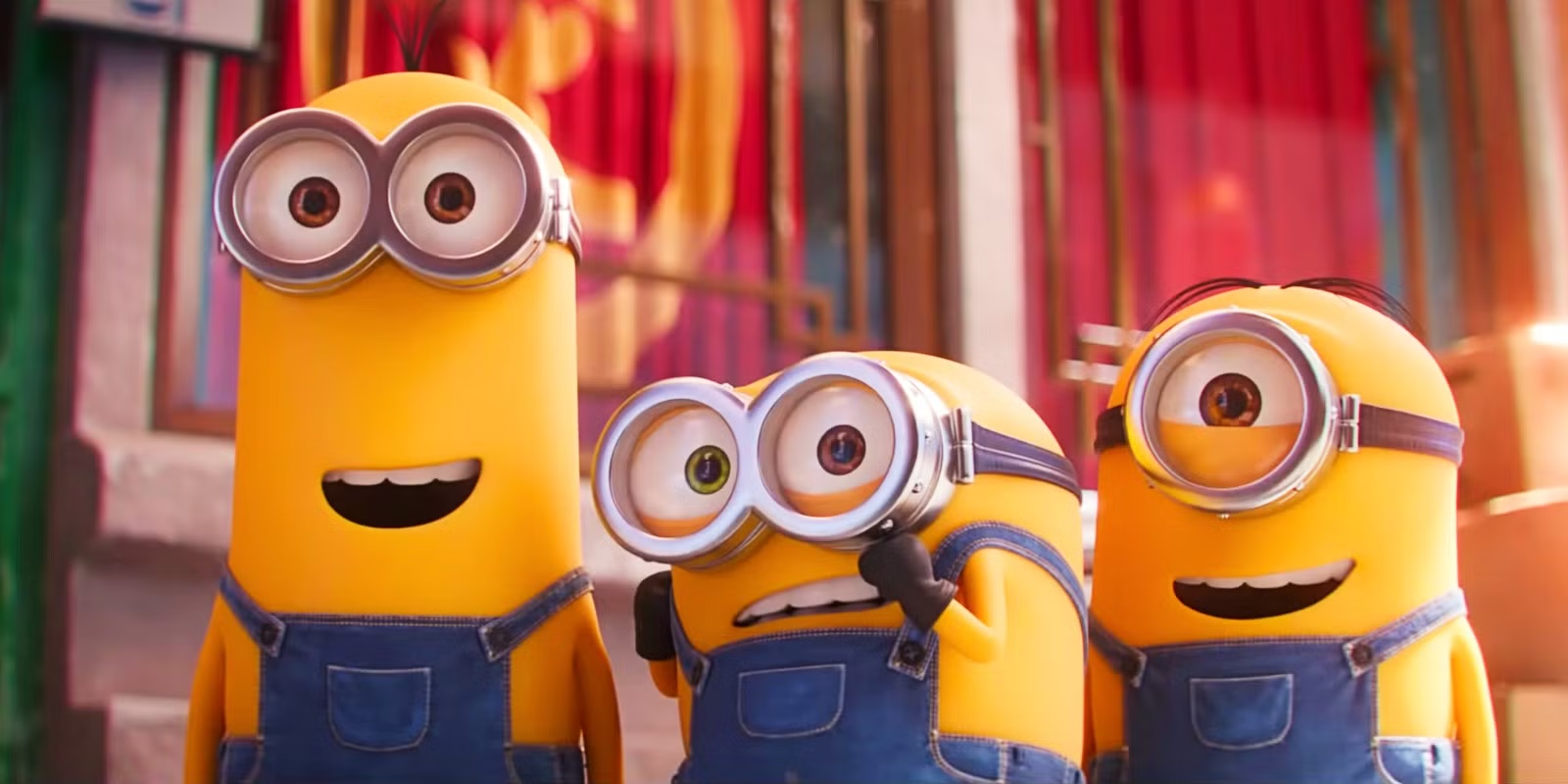
The yellow pill-shaped characters from Despicable Me defy normal physics constantly, surviving explosions and extreme impacts without injury. This resilience makes fans wonder: do minions have bones like humans and animals?
The answer reveals fascinating insights into Minion biology. Based on evidence from the films, Minions do not have traditional skeletal systems. Their bodies function more like flexible, durable cartilage structures allowing extreme deformation without permanent damage, explaining their supernatural resilience throughout countless dangerous situations.
The Evidence Against Minion Bones

Do minions have bones? Multiple scenes throughout the Despicable Me franchise suggest they lack traditional rigid skeletons. Their bodies compress, stretch, and deform in ways impossible for creatures with solid bone structures.
In Despicable Me 2, Minions get flattened by various objects and immediately pop back to normal shape. A creature with bones would suffer fractures and permanent injuries from such impacts. Instead, Minions bounce back instantly like rubber toys.
Visual evidence from the films:
- Bodies flatten completely when crushed, then reinflate
- Limbs stretch to impossible lengths without injury
- Heads compress and expand like balloons
- No audible bone-cracking sounds during impacts
- Instant recovery from injuries that should be fatal
- X-ray scenes (if present) show no skeletal structure
What Are Minions Made Of?

If not bones, what internal structure allows minions to function? The films provide few concrete answers, but animation details and behavior patterns offer clues about their biological composition.
Minions appear to have skin or an outer membrane that's both tough and elastic. This yellow exterior stretches without tearing and returns to original shape after deformation. The material resists punctures, burns, and chemical damage far beyond human skin capabilities.
Inside, they likely contain organs or organ-like structures given they eat, breathe, and express emotions. However, these internal components must be equally flexible and resilient to survive the constant physical trauma Minions endure.
Hypothetical Minion composition:
- Outer layer: Durable elastic membrane (yellow skin)
- Internal structure: Flexible cartilage or polymer framework
- Organs: Simplified biological systems (digestive, respiratory)
- Muscles: Elastic tissue allowing movement and strength
- No rigid skeleton: Prevents breaks and fractures
- Cellular structure: Possibly non-carbon-based biology
Their biology resembles invertebrates more than vertebrates. Like octopi or jellyfish, Minions achieve structure through hydrostatic pressure and flexible support systems rather than rigid frameworks. This design allows them to squeeze through tight spaces and survive crushing forces.
The minions toys collection replicates their squishy, flexible appearance through soft materials and rounded designs that capture their boneless biology.
Minion Durability and Healing
The lack of bones contributes directly to minions characters having seemingly infinite durability. Without skeletal structures to break, they avoid the catastrophic injuries that would cripple creatures with traditional anatomy.
Throughout the franchise, Minions survive scenarios that should be fatal: explosions, falls from aircraft, being shot from cannons, freezing, burning, and violent impacts. They emerge with minor bumps or temporary flattening but recover within seconds.
This regenerative ability suggests advanced healing factors or bodies that don't truly "damage" in conventional ways. Rather than breaking and requiring repair, Minion bodies simply deform and return to baseline configuration.
Observed durability features:
- Instant recovery from crushing and flattening
- Resistance to fire, ice, and extreme temperatures
- Survival in vacuum of space and underwater
- No permanent scars or injuries across millions of years
- Apparently painless deformation (though they express discomfort)
- Regeneration from extreme physical trauma
Comparison to Other Animated Characters
Do minions have bones compared to other cartoon characters? Many animated characters display flexible, exaggerated physics, but Minions take this to extremes consistent with truly boneless biology.
|
Character Type |
Skeletal Evidence |
Flexibility Level |
Injury Recovery |
|
Minions |
No bones shown |
Extreme |
Instant |
|
Looney Tunes characters |
Implied bones |
Very High |
Nearly instant |
|
Toy Story toys |
Rigid structures |
Low |
Permanent damage possible |
|
Disney humans |
Normal skeletons |
Realistic |
Standard healing |
Evolutionary Advantages of Boneless Design

The Minions (2015) prequel film reveals these creatures have existed since prehistoric times, serving various masters throughout history. Their boneless anatomy provides evolutionary advantages explaining this longevity.
Without bones to break, Minions survive encounters with predators, natural disasters, and their own incompetence. This indestructibility allowed them to persist through millions of years while serving dangerous masters who frequently got them into life-threatening situations.
Evolutionary benefits of boneless biology:
- Survival through extreme physical trauma
- Ability to squeeze through tiny spaces during escapes
- Reduced body mass requirements (no heavy skeleton)
- Flexibility for tool use and complex movements
- Resistance to age-related skeletal degradation
- Adaptability to various environmental conditions
Their design suggests convergent evolution toward maximum survivability rather than traditional biological efficiency. In a species defined by serving dangerous masters, selecting for indestructibility makes perfect evolutionary sense.
How Minions Move Without Bones
Movement without skeletal support seems impossible, yet Minions run, jump, and manipulate objects effectively. How do boneless creatures achieve this coordination and strength?
They likely use hydrostatic skeletons similar to worms, starfish, and octopi. These systems use fluid-filled cavities and muscle contractions to create rigid structures temporarily. By pressurizing internal fluids, invertebrates achieve movement and strength without bones.
Minion movement mechanics:
- Hydrostatic pressure creates temporary rigidity
- Elastic muscle tissue contracts and extends
- Internal fluid systems provide structure when needed
- Flexible cartilage-like supports at joints
- Simplified nervous system coordinates movements
- Lower center of gravity provides stability
Cultural Impact of Minion Design
The boneless, indestructible design contributes significantly to Minion popularity. Parents appreciate that slapstick comedy involving these characters never crosses into disturbing territory because Minions literally cannot be seriously injured.
This safety from genuine harm allows extreme physical comedy appropriate for young children. Kids laugh at impacts and explosions without processing traumatic injury themes, making Minions perfect family entertainment across age groups.
Minions costume designs for Halloween and cosplay emphasize their round, flexible appearance. The lack of rigid skeletal structure translates to comfortable, soft costumes that allow movement and play while capturing authentic Minion aesthetics.
Costume manufacturers create inflatable versions that replicate the boneless, squeezable quality of animated Minions. These designs let wearers embody the characters' flexibility and rounded shapes authentically.
The minions precool features collectible with flexible components that allow posing and play reflecting their boneless biology, giving fans screen-accurate representations of these resilient creatures.
Scientific Plausibility of Boneless Humanoids
While Minions are fantasy creatures, could boneless humanoid organisms exist scientifically? Earth's evolutionary history provides some interesting parallels suggesting such biology isn't completely impossible.
Invertebrates comprise over 95% of animal species on Earth, proving that complex life doesn't require internal skeletons. Octopi demonstrate remarkable intelligence and tool use without bones, showing that sophisticated behavior doesn't depend on vertebrate anatomy.
Real-world boneless organisms with complex behaviors:
- Octopi: Problem-solving, tool use, memory
- Cuttlefish: Complex communication, camouflage control
- Some worms: Social behavior, construction abilities
- Slugs: Navigation, learning capabilities
Behind the Animation Design
Illumination Entertainment's animators deliberately designed Minions with exaggerated flexibility to maximize comedic potential. The boneless design choice allows animators to push physical comedy boundaries impossible with more anatomically realistic characters.
Animators can compress, stretch, and deform Minions in ways that would require complex skeletal animation systems for traditional characters. This simplification actually reduces animation complexity while increasing comedic possibilities—a win-win for production efficiency and entertainment value.
Frequently Asked Questions
Do Minions have bones?
No, Minions do not have traditional skeletal systems based on evidence throughout the Despicable Me franchise. Their bodies compress, stretch, and deform in ways impossible for creatures with rigid bone structures.
What are Minions made of inside?
Minions appear composed of durable elastic material similar to rubber or advanced polymer rather than flesh and bone. They have tough, stretchy yellow skin that resists damage and returns to shape after deformation.
How do Minions move without skeletons?
Minions likely use hydrostatic skeletons similar to worms and octopi, using fluid-filled cavities and muscle contractions to create temporary rigidity. By pressurizing internal fluids, they achieve movement and strength without bones.
Why are Minions so indestructible?
Minions' indestructibility stems from their boneless biology and flexible composition. Without rigid skeletal structures to break, they avoid catastrophic injuries that would cripple vertebrate creatures. Their bodies deform under impact then return to baseline configuration rather than sustaining damage requiring repair.
Can you dress as a Minion for Halloween?
Yes, Minion costumes are extremely popular for Halloween, cosplay, and themed parties. Many costume manufacturers create inflatable versions replicating the boneless, squeezable quality of animated Minions, featuring the iconic yellow body, blue overalls, and goggles.


Looking for something else?
Which Marvel Rivals Blokees Kit Should You Assemble First?
LEARN MORE
Best X-Men Model Kits: Wolverine, Magneto, and More
LEARN MORE
How to Assemble Blokees Marvel Rivals Spider-Man
LEARN MORE
Unboxing the Blokees Marvel Rivals Champion Class Series
LEARN MORELooking for something else?
Dynamic Posing Guide: How to Make Spider-Man Swing
LEARN MORE
Secret Rares Revealed: Blokees Marvel Rivals Hidden
LEARN MORE
How to Create a DIY Marvel Rivals Battle Diorama Display
LEARN MOREYou may also like


Further reading

Blokees EVANGELION Gift Guide: Choose by Character, Unit, and Display Format

EVANGELION 30th Anniversary: How the Series Continues to Reach Audiences

EVANGELION Unit-08 Explained: Mari’s EVA-08α and the Blokees Release