

 Blokees® Community


Who Is Hatsune Miku? Inside the World of the Digital Idol
Few names in modern pop culture are as globally recognized as Hatsune Miku—the turquoise-haired, twin-tailed virtual idol who has inspired millions of fans, musicians, and creators. What started as a vocal synthesizer has grown into a worldwide phenomenon, bridging the worlds of music, gaming, fashion, and collectibles.
From Fortnite Hatsune Miku to Blokees Hatsune Miku toys, Miku continues to evolve as a symbol of creative freedom and digital expression. But who exactly is she—and how did a virtual voice become one of the most beloved characters of all time?
Who Is Hatsune Miku?
Hatsune Miku translates to “The First Sound of the Future.” She’s a virtual singer developed by Crypton Future Media using Yamaha’s Vocaloid technology, released in 2007.
Miku’s defining feature isn’t just her synthesized voice—it’s her community-driven creativity. Fans around the world compose songs, design costumes, and create animations using her voice and likeness. The result? A living digital icon shaped by collaboration.
Core Characteristics:
- Voice Provider: Japanese actress Saki Fujita.
- Age (fictional): 16 years old.
- Height: 158 cm.
- Favorite Item: Leek (Negi).
- Signature Colors: Teal and silver-gray.
Miku isn’t tied to a single storyline—she’s a blank canvas that reflects the imagination of her creators and fans.
How Old Is Hatsune Miku?

In canon, Miku is eternally 16 years old, representing the timelessness of creativity and youth. But conceptually, she’s over 17 years old as a digital phenomenon since her 2007 debut.
This combination of ageless charm and modern adaptability allows Miku to continuously evolve—appearing in everything from futuristic concerts to fashion collaborations.
The Origins of Miku Hatsune
Before Miku, Vocaloid software was mostly used for experiments or niche music production. Her release transformed it into a cultural revolution.
Milestones in Miku’s Journey:
- 2007: Hatsune Miku Vocaloid 2 released in Japan.
- 2008–2010: Rise of global fandom via Nico Nico Douga and YouTube.
- 2010: First live concert—3D hologram performance in Japan.
- 2014: Collaboration with Lady Gaga and Pharrell Williams.
- 2020s: Integration into video games like Fortnite and Project SEKAI.
Miku blurred the boundaries between technology, performance, and human emotion—creating a new kind of pop stardom.
Hatsune Miku in Pop Culture
Hatsune Miku’s influence extends far beyond music. She represents the intersection of technology, art, and fandom-driven creativity.
Key Cultural Moments:
- Featured in Fortnite, letting players perform her iconic dance moves.
- Collaborated with luxury fashion brands like Louis Vuitton.
- Starred in rhythm games (Project DIVA, Colorful Stage).
- Became a mascot for tech events, anime conventions, and AI showcases.
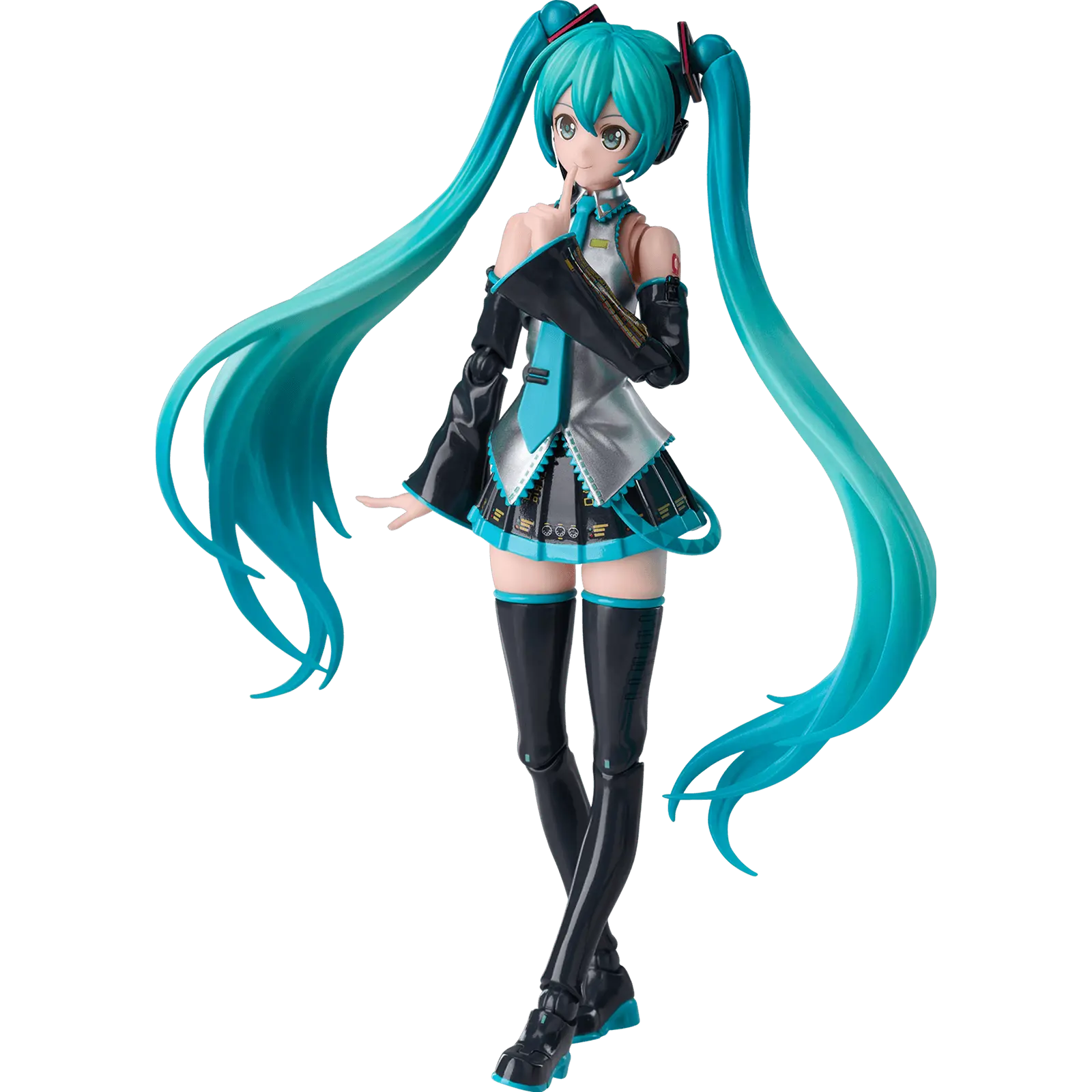
Her design—vibrant teal hair, futuristic headset, and digital accessories—has become shorthand for modern anime culture.
Hatsune Miku Fortnite: Digital Meets Gaming
The crossover between Hatsune Miku and Fortnite marks a defining moment for virtual fandoms. Within Fortnite’s multiverse of pop icons, Miku’s presence celebrates the blend of music and digital identity.
Why Fortnite Fits Miku’s World:
- Both share community-driven ecosystems.
- Players can recreate concerts, dances, and creative arenas.
- It symbolizes how virtual avatars can coexist with human players.
The Fortnite Hatsune Miku phenomenon reflects her core essence—limitless, adaptable, and shared by fans worldwide.
Blokees Hatsune Miku Toys: The Collectible Experience

Beyond concerts and games, Hatsune Miku lives on as a collectible art form. The Blokees Hatsune Miku Toys Collection offers fans premium-quality model kits and accessories that celebrate her charm and versatility.
Collection Highlights:
- Officially Licensed: Each piece features authentic design approval.
- Dual-Material Architecture: Soft PVC body and flexible joints.
- Customizable Expressions: Interchangeable faces and hands.
- Accessory Sets: Instruments like keyboards, microphones, and guitars.
- Tool-Free Assembly: Perfect for beginners and experienced collectors.
Top Releases Include:
- Hatsune Miku Official Outfit: Classic teal design with musical props.
- Sakura Miku Edition: Cherry blossom-inspired aesthetic.
- Vivid Echoes: Dual-color injection molding with soft-touch finish.
These models go beyond static display—they encourage creative scene composition, allowing fans to pose Miku for concerts, studio sessions, or serene spring moments.
Table: Comparing Blokees Miku Editions
|
Version |
Theme |
Key Features |
Ideal For |
|
Official Outfit |
Classic teal idol look |
3 printed faces, 3 blank faceplates, 4 expression stickers |
Traditional collectors |
|
Sakura Miku |
Cherry blossom motif |
Full accessory set with picnic props |
Display enthusiasts |
|
Vivid Echoes |
Modern concert theme |
Dual-color molding, bass guitar, advanced articulation |
Performance display setups |
Each edition captures a unique side of Miku—whether it’s the professional performer, seasonal icon, or futuristic artist.
The Meaning Behind Miku’s Design
Miku’s visual design is a masterpiece of symbolism:
Elements That Define Her Look:
- Twin-tails: Represent sound waves and dynamic rhythm.
- Headset & Microphone: Bridge between human and digital identity.
- Outfit: Inspired by school uniforms mixed with futuristic details.
- Color Palette: Teal embodies balance between creativity and calm.
Her iconic design by illustrator KEI remains largely unchanged for nearly two decades, proving that simplicity and emotion can transcend time.
Miku Hatsune Plush: The Softer Side of a Digital Star
Not all Miku fans collect models—many adore her in plush form. The Hatsune Miku plush universe ranges from chibi versions to oversized display plushies, bringing comfort and cuteness into everyday life.
Why Fans Love Miku Plush Toys:
- Soft-touch fabrics with vivid teal embroidery.
- Perfect for both children and adult fans.
- Often feature alternate costumes (Sakura, Racing, Snow Miku).
- Easy to gift and display anywhere.
Pairing Blokees’ model kits with Miku plush creates a balanced display—mechanical artistry meets soft emotion.
Is Hatsune Miku Anime or Not?
While many assume Miku stars in her own anime, she actually doesn’t—Hatsune Miku is not from an anime series. Instead, she exists as a virtual voice and persona across multiple media formats.
However, she’s often featured in music videos, game cutscenes, and collaborations that mimic anime-style storytelling. This unique position allows fans to imagine countless universes where Miku lives, sings, and evolves.
The Global Appeal: Hatsune Miku PFP and Online Culture
Across social media, Miku dominates as an aesthetic symbol. Search “Hatsune Miku PFP,” and you’ll find thousands of creative avatars—each remixing her identity in artistic ways.
Why Miku Thrives Online:
- Represents digital self-expression.
- Universally recognized design for cosplay and fan art.
- Adaptable to different moods and genres—from pop art to cyberpunk.
Her presence extends beyond fandom—she’s a shared cultural reference point for the internet generation.
From Japan to the World: Miku’s Ongoing Evolution
Over 17 years, Miku’s reach has expanded across every platform imaginable.
Global Highlights:
- Live Concerts: 3D hologram tours in Japan, the U.S., and Europe.
- Collaborations: With Toyota, Good Smile Racing, and Snow Miku festivals in Sapporo.
- Merchandise Expansion: From apparel to digital NFTs.
- Fan-Created Ecosystem: Over 200,000 fan-composed songs online.
Her story reflects the shift from consumer fandom to creator culture—where audiences don’t just consume, they participate.
How Fortnite Revived Miku’s Mainstream Presence
When Miku appeared in Fortnite, she didn’t just join the game—she became part of its creative DNA. Her emotes, outfits, and virtual concerts introduced her to a new generation of gamers.
Impact on Pop Culture:
- Merged rhythm gaming with battle royale experiences.
- Attracted younger fans discovering Miku for the first time.
- Reinforced her status as the internet’s eternal performer.
Fortnite Hatsune Miku proves that her universe isn’t confined to Japan—it’s as expansive and limitless as her fandom’s creativity.
Why Blokees Miku Toys Capture Her Spirit Best
Blokees brings Miku’s character to life through craftsmanship and modular storytelling.
Why Collectors Love Them:
- Accurate design inspired by official art.
- No-glue, no-tool assembly—perfect for creative posing.
- Accessory options that echo Miku’s musical versatility.
- Premium packaging for collectors and display enthusiasts.
Each model embodies her mission—to let fans create freely, play actively, and share joy through creativity.
Frequently Asked Questions
Who is Hatsune Miku?
She’s a Vocaloid—an AI-powered digital singer and global pop culture icon created by Crypton Future Media.
How old is Hatsune Miku?
She’s officially 16 years old in design but was released in 2007, making her concept nearly 18 years old.
Is Hatsune Miku real?
She exists as a digital projection, but her voice, concerts, and community creations make her feel real to fans worldwide.
What’s Hatsune Miku’s connection to Fortnite?
She’s featured as a digital avatar and emote within the game, symbolizing the bridge between music, gaming, and digital fandom.
Where can I buy Hatsune Miku toys?
You can explore the official licensed collection here:
Conclusion
Hatsune Miku is more than a digital idol—she’s a revolution in creativity, collaboration, and connection. Whether you’re admiring her in a Fortnite concert, displaying your Blokees Hatsune Miku, or listening to a fan-composed song, Miku embodies the limitless potential of imagination.
As long as creators exist, Miku will keep singing—for she is the voice of the future.


Looking for something else?
Which Marvel Rivals Blokees Kit Should You Assemble First?
LEARN MORE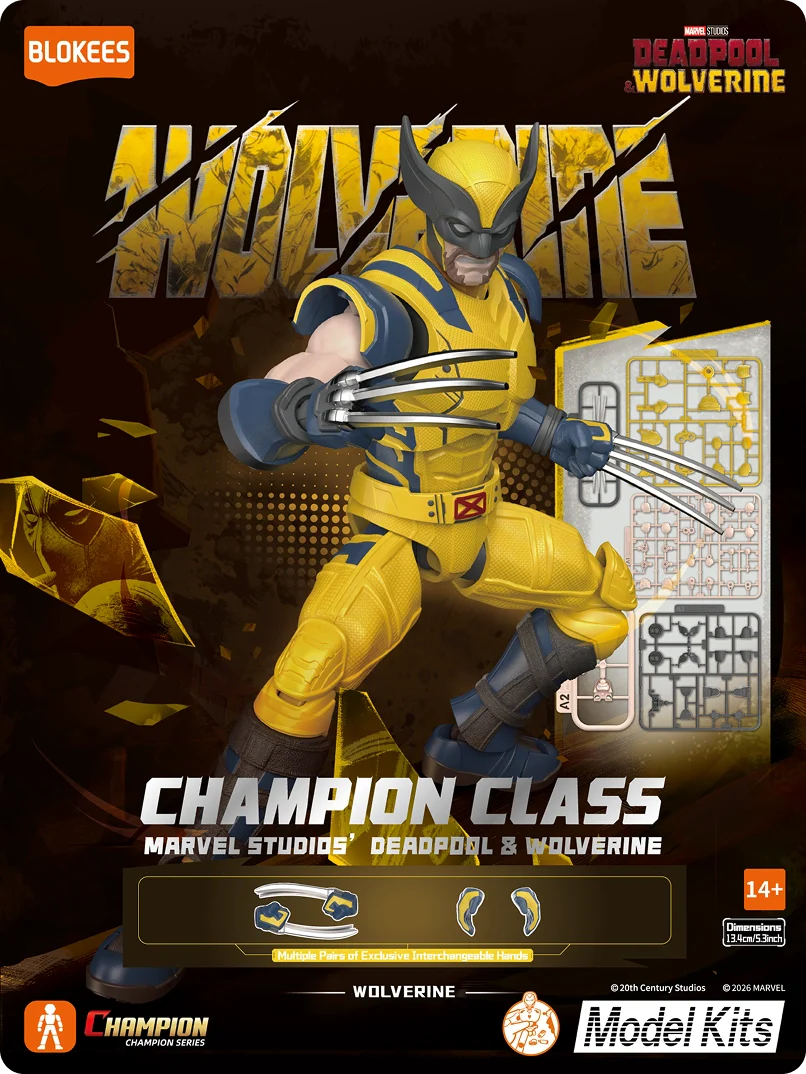
Best X-Men Model Kits: Wolverine, Magneto, and More
LEARN MORE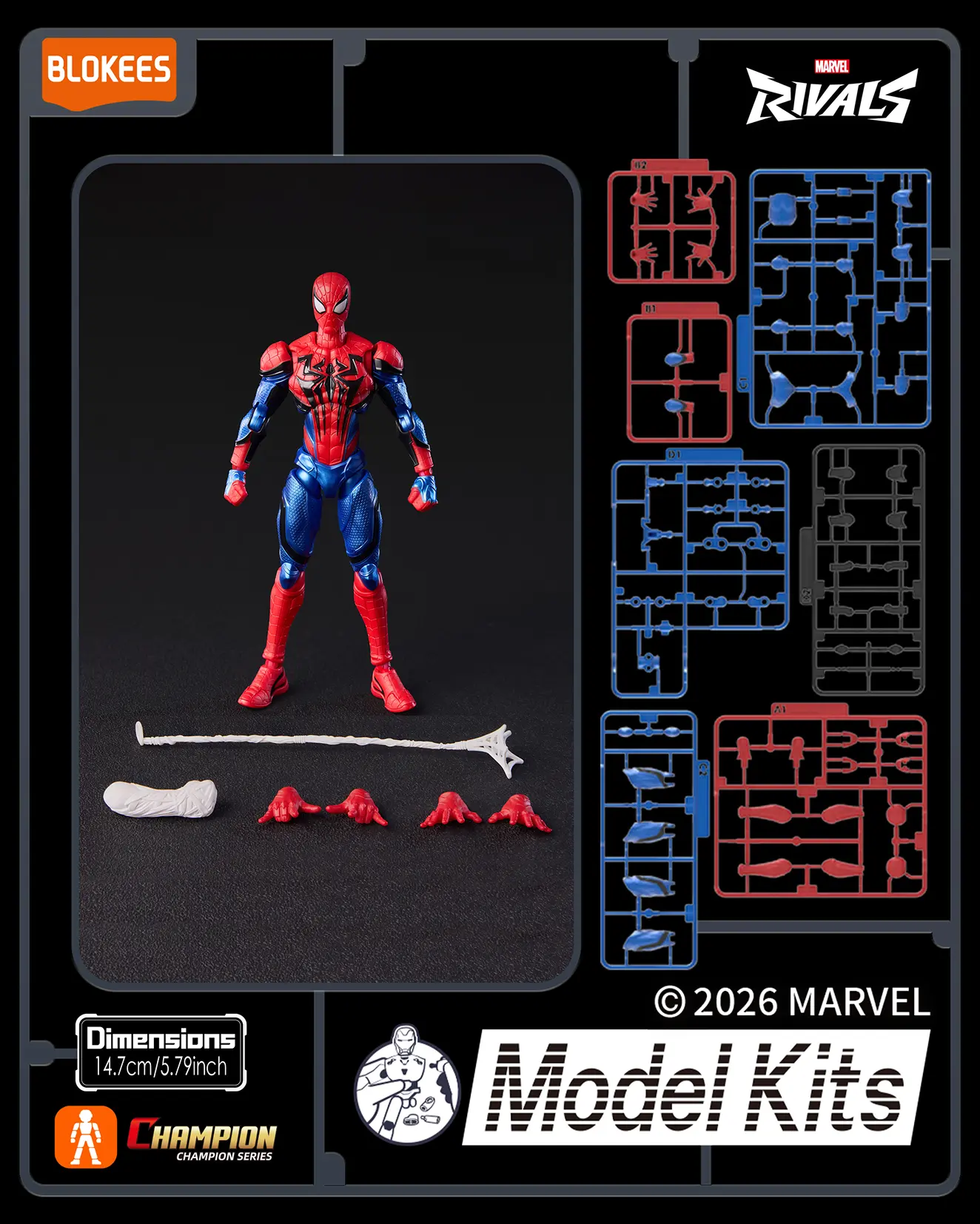
How to Assemble Blokees Marvel Rivals Spider-Man
LEARN MORE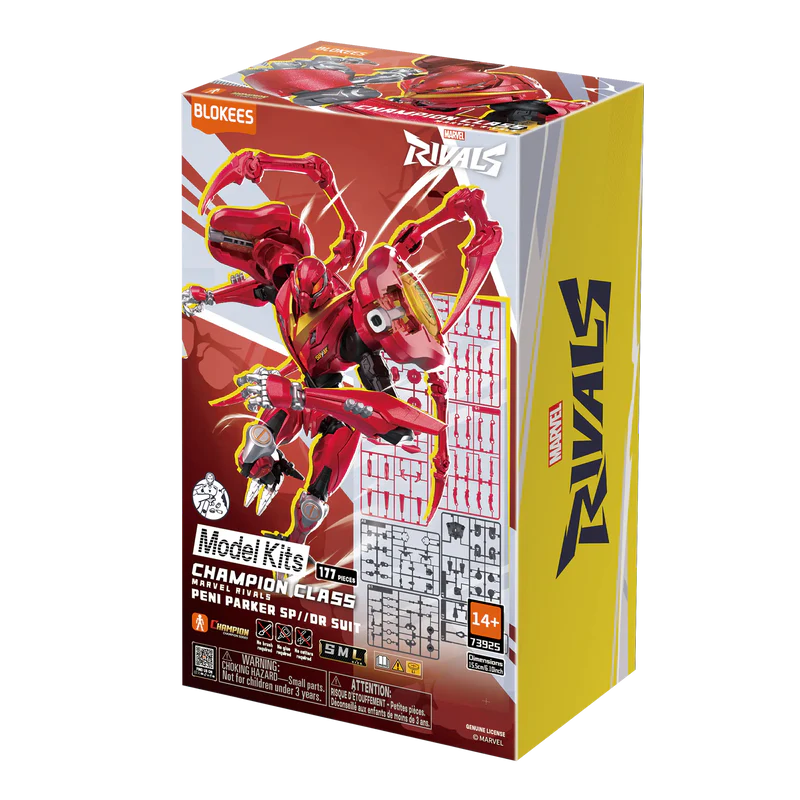
Unboxing the Blokees Marvel Rivals Champion Class Series
LEARN MORELooking for something else?
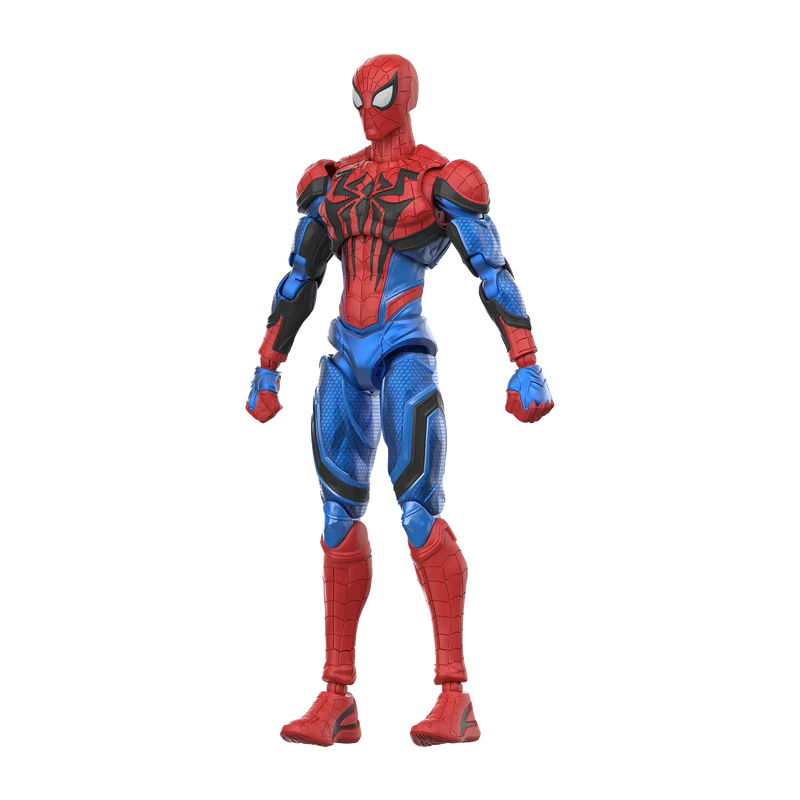
Dynamic Posing Guide: How to Make Spider-Man Swing
LEARN MORE
Secret Rares Revealed: Blokees Marvel Rivals Hidden
LEARN MORE
How to Create a DIY Marvel Rivals Battle Diorama Display
LEARN MOREYou may also like


Further reading

Blokees EVANGELION Gift Guide: Choose by Character, Unit, and Display Format

EVANGELION 30th Anniversary: How the Series Continues to Reach Audiences

EVANGELION Unit-08 Explained: Mari’s EVA-08α and the Blokees Release